
Men’s Low Rise Briefs: Why a Lower Cut Changes the Look

Men’s low rise briefs can change the way the body looks before you even think about color, fabric, or styling. The difference starts at the waistline. A lower cut can make the waist look cleaner, the torso appear longer, and the whole silhouette feel more modern. It is not about showing more for the sake of it. It is about proportion, fit, comfort, and how the first layer works with the rest of your outfit.
Shop Men’s Briefs
Explore briefs designed for clean lines, secure support, modern cuts, and everyday confidence.
Shop Men’s Briefs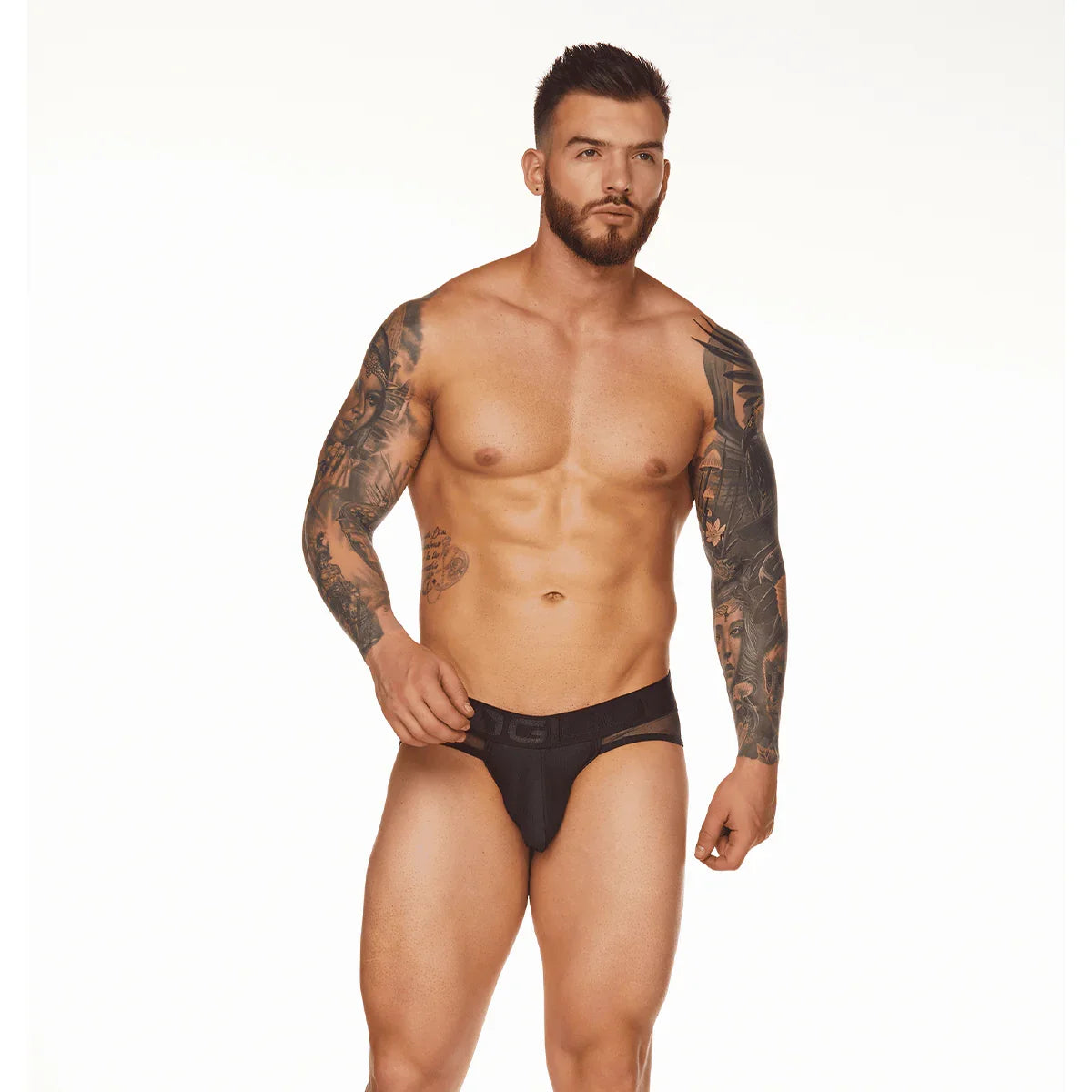
What are low rise briefs?
Low rise briefs are briefs with a waistband designed to sit lower on the hips, below the natural waist. They keep a brief’s leg-free silhouette and front support while covering less of the lower abdomen than a higher-rise version. Rise describes waistband position; it does not specify the color, fiber, pouch size or amount of coverage at the back.
If you are shopping for red, black or yellow underwear, low-rise still means the cut, not the color. Compare the waistband, side height, front panel and back view in the product photos. A bikini brief may also have narrow sides, but low rise alone does not make a brief a bikini.
Why a lower rise changes the silhouette
The first thing many men notice with a low rise brief is how the body line changes. The waistband sits lower, so the abdomen is framed differently. That simple shift can make the waist look cleaner and the torso feel visually longer.
A classic brief often gives more coverage and a more traditional look. That can be perfect for many routines. But men’s low rise briefs create a sharper effect. They sit closer to modern pants, slim denim, joggers, and fitted shorts. The result feels cleaner under clothing and more intentional when seen on its own.
This is why low rise briefs often feel more current. The cut does not need to be extreme. It just needs to sit in the right place. When the waistband is lower but still secure, the brief can look confident without feeling exaggerated.
For a broader explanation of rise across different silhouettes, read Men’s Low Rise Underwear: When a Lower Cut Looks Better. This article goes deeper into the brief silhouette specifically.
The real concern: will it feel too low?
One of the biggest fears when buying low rise briefs online is simple. Many men wonder if the cut will feel too low in real life. They may see editorial photos and think the style only works on campaign bodies.
That fear makes sense. A product image cannot always show how the fabric moves, how the waistband sits, or how much support the front gives. It also cannot show how the brief will feel after several hours of wear.
A good low rise brief should not feel like a costume. It should not feel unstable. It should sit lower on the hips while still feeling secure. The goal is a cleaner line, not discomfort.
This is where construction matters. The waistband, front support, stretch, and leg openings all work together. If one of those details is wrong, the lower cut can feel less comfortable. If they are balanced, the brief can feel light, modern, and easy to wear.
Low rise briefs vs briefs: mid rise, full rise and high rise
A low rise brief is still a brief. The useful comparison is with a regular or higher-rise brief, rather than treating briefs and low rise briefs as separate garment types. Classic describes a familiar style; it does not guarantee one waistband height.
| Rise | Typical waistband position | What to compare |
|---|---|---|
| Low rise | Lower on the hips, below the natural waist | Lower abdominal coverage and alignment under lower-waisted pants |
| Mid or regular rise | Usually above a low-rise version | The actual waistband and side height; regular is not a fixed measurement |
| Full or high rise | Generally closer to the natural waist | More abdominal coverage without pressure when sitting |
These are comparison terms, not standardized inch measurements across brands. Full rise and high rise may overlap in product naming. For low rise vs mid rise briefs, start with the position you prefer; for full rise vs low rise briefs, compare how much abdomen each garment covers. Neither rise is automatically more supportive: the pouch, waistband, fabric and your size matter together.
A higher-rise brief often offers more coverage at the waist and sides. It can feel familiar, stable, and practical. Many men like that traditional shape because it gives a clear everyday fit.
A low rise brief changes the visual balance. It lowers the starting point of the waistband. It usually exposes more of the lower waist area and creates a cleaner transition under pants. That can make the body look more streamlined.
The difference is not only about how much fabric is used. It is about where the fabric begins and ends. A lower rise can make the abdomen look cleaner. It can also make the leg line feel more athletic.
This is why men who want a modern silhouette often prefer a lower cut. It gives less visual bulk without removing the support that makes briefs useful.
Low rise boxer briefs vs regular: a separate choice
Low rise boxer briefs have a lower waistband than a comparable regular-rise version, while retaining fabric on the thighs. That thigh coverage separates boxer briefs from briefs. Check rise and inseam separately: choosing a lower waistband does not necessarily mean shorter legs. Gigo’s men’s trunks offer another silhouette to compare, but inspect each style’s leg length rather than assuming it is a long boxer brief.
Names such as hipster or hip brief can overlap with low-rise styling. Check the side shape and rear coverage instead of relying on the name alone.
Who benefits most from men’s low rise briefs?
Low rise briefs are not only for one body type. They can work well for men who want a more styled, cleaner, and more intentional look. The key is choosing the right size and cut.
They often work especially well for men who wear lower rise jeans, slim pants, fitted joggers, or modern shorts. In those outfits, a higher waistband can sometimes show too much or create extra stacking at the waist.
Men who prefer less fabric also tend to enjoy low rise briefs. The garment feels lighter. The waistline feels less covered. The look feels sharper without becoming complicated.
Another common profile is the man who wants a stronger sense of personal style. He may not be looking for something extreme. He simply wants underwear that feels designed, modern, and visually clean.
At Gigo Underwear, this is an important distinction. The low rise brief should help the body look more balanced. It should not create pressure to look a certain way. The right cut should support real movement, real comfort, and real bodies.

What to check before buying low rise briefs online
When shopping online, do not choose only by the photo. A good image helps, but it does not tell the whole story. Look at the cut, waistband, fabric, front coverage, and leg opening.
Check the waistband position
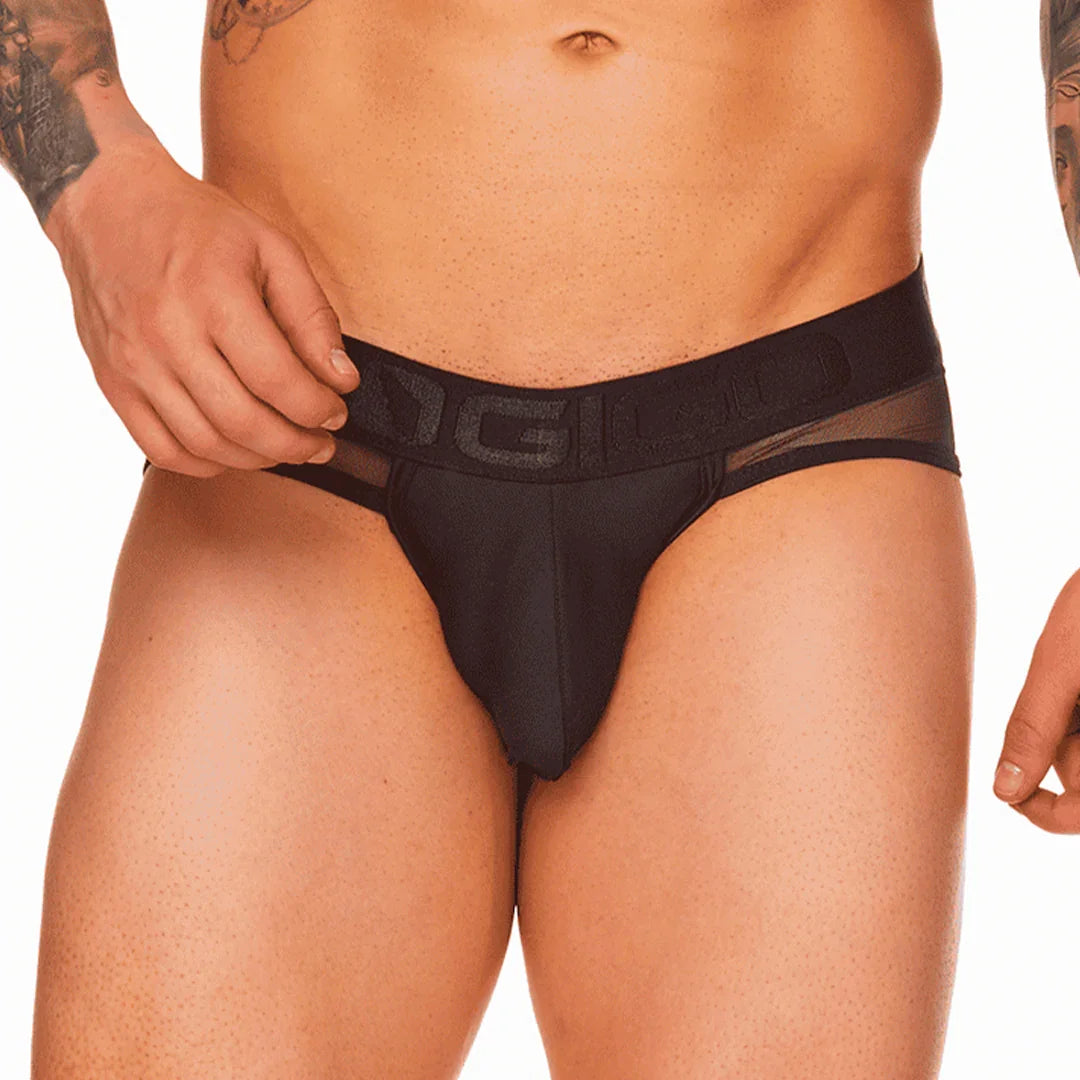
The waistband should sit lower without feeling loose. If it floats away from the body, the brief may move too much. If it digs in, the size or fabric may not be right.
Check the front support
A low rise brief still needs support. The front should feel secure without feeling restrictive. This detail matters because a lower cut makes fit more noticeable.
Check the leg opening
The leg opening should frame the thigh without riding up constantly. If the opening is too tight, movement can feel uncomfortable. If it is too loose, the silhouette can lose shape.
Check the fabric and stretch
Low rise briefs work best when the fabric has enough structure and flexibility. The material should move with the body while keeping the cut in place.
If you are comparing briefs, jockstraps, and trunks before deciding, read The Power of a Perfect Fit: How to Choose Your Brief, Jockstrap or Trunk. It helps separate silhouette, support, and daily use.
The most common sizing mistake
One of the most common mistakes is choosing a larger size out of fear. Some men worry that a low rise brief will feel too tight. So they size up automatically.
That can create the opposite problem. A brief that is too large may move more, sit less cleanly, and lose shape at the waist or back. The silhouette can look less precise because the garment is no longer sitting where it was designed to sit.
Start with your body measurements and the Gigo Size Guide. Measure around the area where you normally wear the waistband, typically just above the hip bones, with the tape level and comfortably fitted. Gigo recommends the larger size if you are between sizes or directly on a shared boundary: a 36-inch waist falls at the L/XL boundary, so start with XL. Do not size down to turn a regular brief into low rise; rise comes from the cut.
Still, the goal is not to force the smallest option. The goal is balance. A low rise brief should feel close to the body, but not uncomfortable. It should hold its shape without making movement feel restricted.
For the full measurement method, read How to Choose the Perfect Size of Men’s Underwear. When trying a brief on, sit, walk and bend gently. Check that the waistband stays in place, the pouch remains covered and the leg openings do not pinch. A lower waistband should not require constant pulling back up.
When a low rise brief works best with clothing
Low rise briefs often make the most sense when your outerwear has a cleaner or lower waistline. Think slim denim, fitted shorts, joggers, or pants with a modern rise.
In those cases, the underwear does not compete with the outfit. It stays lower, cleaner, and less visible. That creates a smoother first layer under clothing.
The effect can feel subtle, but it matters. A bulky waistband can interrupt an outfit. A cleaner waistband can make the whole look feel more polished.
You can also wear low rise briefs under high-waisted pants if the combination feels comfortable. The underwear waistband does not have to match the trouser waistband exactly. Check it while sitting and moving, and choose the amount of first-layer coverage you prefer.
Sexy should still feel comfortable
A strong low rise brief should not separate style from comfort. Looking more confident and feeling comfortable should work together. That is the point of good design.
The lower cut can feel more confident because it changes the line of the body. It can make the waist look cleaner and the leg line sharper. But the garment still has to support daily movement.
This is where Gigo Underwear focuses on the complete experience. The brief should look designed, but it should also feel wearable. It should offer color, texture, shape, and presence without losing practicality.
For a more classic view of the brief category, see Men’s Briefs by Gigo Underwear: Fit, Style and Comfort. That guide helps show how the brief remains timeless, while low rise versions create a more current expression.
How Gigo approaches men’s low rise briefs
Gigo Underwear does not treat the low rise brief as a shock piece. The idea is not to make the garment look vulgar or uncomfortable. The idea is to create a cleaner, sharper, and more confident silhouette.
That comes from the balance between cut, fabric, and visual design. A lower waistline needs enough structure. A bold color needs the right shape. A detailed texture needs a fit that keeps the garment refined.
The Gigo Men’s Briefs collection is a strong place to compare these details. You can look at waistband height, color, pouch structure, side shape, and overall presence.
Some briefs feel more athletic. Others feel more refined. Others use color or texture to create more visual impact. That variety helps each customer choose based on taste, not only size.
You can also browse the wider Men’s Underwear collection if you want to compare briefs with trunks, jockstraps, and other silhouettes.
Quick decision guide
Choose men’s low rise briefs if you want a cleaner waistline. They are also a strong choice if you wear fitted pants, lower rise denim, or modern shorts.
Choose them if you like less fabric at the waist. The lower cut can feel lighter and sharper than a classic brief.
Choose them if you want a brief that looks more styled. A low rise shape can make simple outfits feel more intentional.
Be careful with sizing. Use your measurements and Gigo’s chart instead of guessing. Choose the larger size between sizes or on a shared boundary, and check product-specific fit notes. Do not size down only to make the garment look tighter.
Also compare the fabric. A smooth, flexible, and structured material will usually give a cleaner result. A weak fabric can make a low rise brief lose precision.
Final thoughts
Men’s low rise briefs are not just a smaller version of a classic brief. They change the way the waistline, torso, and leg line work together. That is why the lower cut can make such a visible difference.
The best low rise brief should feel modern without feeling exaggerated. It should look confident without feeling uncomfortable. It should support the body, move well, and create a cleaner line under clothing.
When the size is right, the fabric is good, and the cut matches your wardrobe, the result can feel natural. It becomes more than a style choice. It becomes a better first layer for the way you dress.
Explore Men’s Briefs with a lower rise and a cleaner silhouette.
Find briefs made for support, modern styling, bold design, and a cleaner fit under everyday clothing.
Explore Men’s BriefsVisit Gigo Underwear to coordinate briefs with the rest of your everyday wardrobe.